
| Dr. Pratiksha Jain
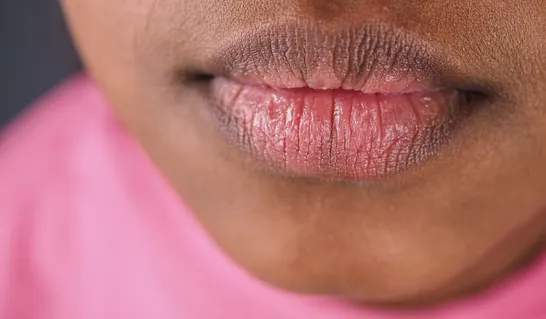
Many patients come to our clinic concerned about lip hyperpigmentation. People often try lip scrubs and DIY remedies that fail to treat the underlying issue. Melanin overproduction on the lips requires a medical diagnosis to restore their natural tone.
The skin on your lips is thin, typically three to five cellular layers compared to sixteen on your face. Lips lack sebaceous and sweat glands, making them vulnerable to environmental stress and internal imbalances. When damaged, they produce melanin as a defense mechanism, causing them to darken.
Causes of lip hyperpigmentation
We frequently trace lip pigmentation to these factors:
Clinical treatments at Metphi Clinic
Treating dehydration and volume loss
Severe dehydration makes the lips lose their plumpness, taking on a dull, darkened appearance. Dry lips are also prone to micro-tears from licking or peeling, which triggers post-inflammatory hyperpigmentation.
Topical creams cannot fix structural volume loss. We treat this with Lip Boosters and Fillers using injectable Hyaluronic Acid (HA). HA holds 1000 times its weight in water. Injecting micro-droplets of HA directly into the tissue provides deep dermal hydration, restoring structural integrity and creating a natural pink tone while protecting against friction.
Targeting melanin deposits
We tailor a treatment plan based on whether your pigmentation is superficial or deep.
Next steps
Avoid harsh DIY scrubs that worsen inflammation. You can consult with our dermatologists to determine the medical cause and find an appropriate treatment plan.
Author

Dr Pratiksha Jain (MBBS, PGDCC, PGDM)
Dr Pratiksha has over 9 years of experience in cosmetology and is currently the Medical Head at Metphi Clinic.